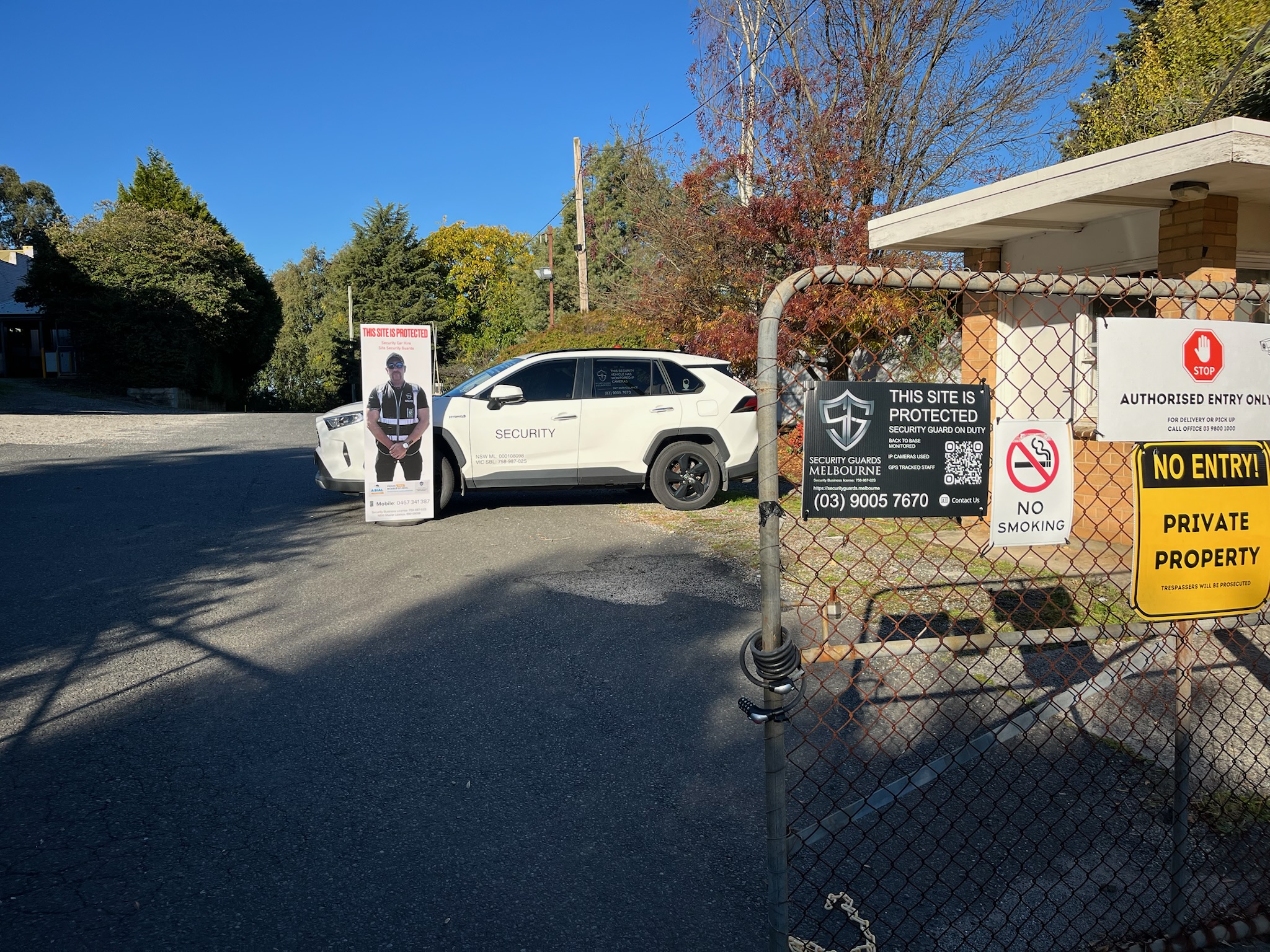
Why Administrators Must Prioritise Professional Security
When a company enters liquidation or administration, its assets instantly become vulnerable. Sites often experience reduced staffing, disrupted operations, and increased public visibility—conditions that attract thieves, vandals, squatters, and even arson attempts. For liquidators and administrators, protecting property, stock, equipment, and records becomes an urgent responsibility.
The reality is simple: the cost of theft, damage, and arson far outweighs the cost of deploying professional security guards.
Why Security Is Critical After a Liquidator Is Appointed
Once liquidation is announced, opportunistic behaviour increases rapidly. Without proper security, assets can be lost within hours—not days.
Key Risks Include:
1. Theft of Valuable Assets
Company stock, machinery, IT equipment, vehicles, and tools are prime targets.
Liquidation sites are often viewed as “low resistance” opportunities for organised crime or opportunistic theft.
2. Break-Ins & Vandalism
Vacant or unattended sites frequently attract break-ins, graffiti, and malicious damage.
Repairs and replacements can cost tens of thousands.
3. Arson Attacks
Insurance claims often reveal a spike in arson at sites undergoing closure or liquidation.
Fires cause catastrophic losses and immediately halt asset recovery.
4. Loss of Sensitive Documents
Thieves may seek employee files, financial documents, or customer data—creating compliance breaches and legal exposure.
5. Squatters & Unauthorised Occupation
Unsecured buildings may attract trespassers or squatters, making the site unsafe and complicating legal removal processes.
Security vs. Loss: The Cost Comparison
Administrators consistently underestimate the financial impact of leaving a site unsecured.
The real-world equation is simple:
- Cost of a security guard: predictable and controlled
- Cost of theft or arson: unpredictable, enormous, and usually irreversible
For example:
- Losing one forklift, one pallet of stock, or one server often exceeds the cost of full-site security for weeks.
- A single arson event can destroy an entire building, machinery, records, and insurance recoveries.
- A major break-in can delay asset valuation and disposal, causing additional financial loss to creditors.
When compared side by side, security is a fraction of the cost of asset loss.
Security Measures Administrators Should Implement Immediately
To protect assets effectively, administrators should secure the property on day one. Our services include:
✔ Static Security Guards
On-site licensed guards controlling access, monitoring activity, and securing all entry points.
✔ 24/7 Mobile Patrols
Marked vehicles performing routine checks, lock-ups, and high-visibility deterrence.
✔ Alarm Response
Rapid response to triggered alarms, breaches, or suspicious activity.
✔ Access Control & Key Management
Ensuring only authorised personnel can access the site.
✔ Asset Protection & Inventory Security
Preventing unauthorised removal of stock, machinery, tools, and records.
✔ Fire Watch & Arson Prevention
Essential for high-risk sites, especially where utilities are disconnected.
✔ Vehicle-Based Security Presence
High-visibility deterrent vehicles stationed on-site for added protection.
Why Liquidators Trust Our Security Team
We provide:
- Licensed and highly trained guards
- Rapid deployment — often same day
- Comprehensive reporting for administrators and insurers
- Professional conduct suited to sensitive, high-volatility situations
- Full coverage across Melbourne, Geelong, and the Surf Coast
Our guards understand the specific needs and pressures of liquidation environments—where asset preservation, legal compliance, and controlled access are critical.
Final Message to Administrators
During liquidation, every asset counts.
Every loss impacts creditors, stakeholders, and the final outcome of the administration.
Security is not an expense — it’s asset protection.
The cost of theft, damage, or arson is massive compared to the small cost of security.
By securing the site early, administrators protect value, reduce legal exposure, and preserve assets for sale or recovery.